
Timor-Leste: The Blue Whale Highway (What It Means and What to Expect)
Calling Timor-Leste a “Blue Whale Highway” sounds like marketing until you understand the geography.
This part of the world is shaped by deep-ocean passages, powerful currents, and a constant flow of water between major basins. Those factors can create natural travel routes for whales and concentrate the kind of life that makes the ocean worth following.
This guide explains what the phrase “Blue Whale Highway” actually means, what you might realistically see if you go, and what responsible encounters should look like.
What people mean by “Blue Whale Highway.”
A whale highway is not a single, marked route. It is a pattern.
Certain ocean corridors act like natural pathways because they:
connect deep basins
funnel currents through predictable passages
move nutrients and prey in ways whales can take advantage of
In the Timor-Leste region, the idea often centers on the Ombai and Wetar area, where deep water and strong flow can make the ocean unusually dynamic.
The simple version is this: if you want to find big animals, you often start by identifying large ocean features.
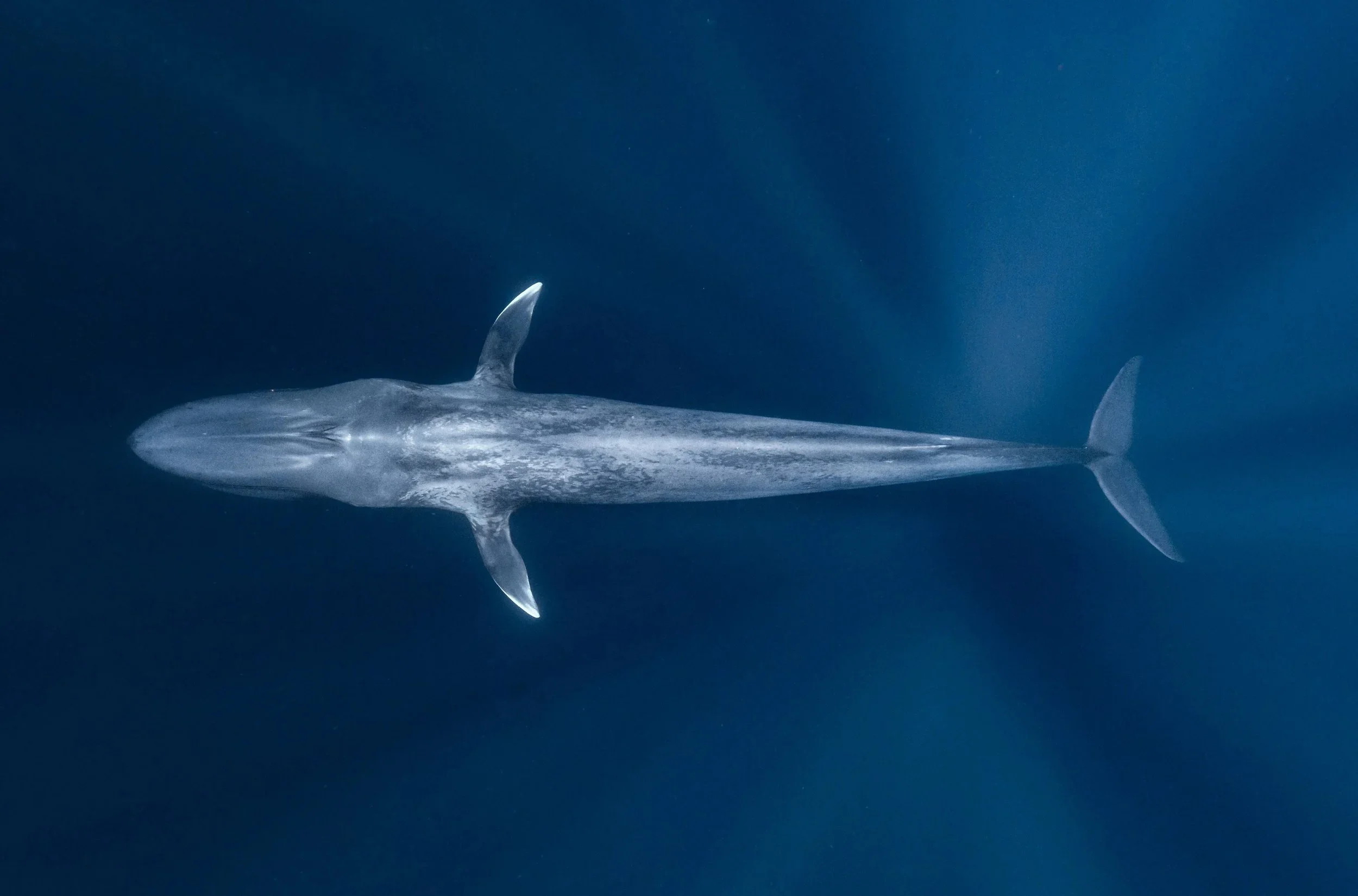
Why Timor-Leste can be a corridor for whales
Whales do not “choose” destinations because they look pretty on a brochure. They follow conditions.
Timor-Leste sits near deep straits and steep drop-offs. When deep water is close to land, whales can move through without needing to stay far offshore. Add strong currents and mixing, and you can end up with productive habitat that supports prey.
A few ocean features that matter here:
Deep passages close to shore: whales can travel efficiently through deep water
Currents and mixing: moving water can transport nutrients and concentrate prey
Food availability: blue whales are built for feeding on dense patches of small prey, especially krill-like organisms
This is why you will hear experienced people talk about “conditions” more than “guarantees.” A corridor can be active, then quiet, then active again based on what the ocean is doing.
Blue whales here might be pygmy blue whales
Many sightings in the broader region are reported as pygmy blue whales. They are still enormous animals. The “pygmy” label is relative, not cute.
Knowing this helps with expectations. Body proportions, dorsal fin shape, and surface behavior can look a little different from the biggest blue whale populations elsewhere, but the fundamentals are the same: these are powerful, wide-ranging animals that do not owe us anything.
What you can realistically expect at the surface
Blue whales can feel subtle until you know what you are looking for. They often do not behave like “action” whales by default.
Here are common surface cues people notice:
A tall, steady blow
Blue whale blows can be tall and visible from far away in good conditions.
Long surfacing sequences
You may see several breaths in a row before a deeper dive. This can look calm and repetitive, which is normal.
A small dorsal fin set far back
The dorsal fin is often small and positioned far back on the body. Many first-timers miss it at first.
Strong travel lines
When traveling, whales can maintain a steady course and consistent surfacing intervals.
What you might not see often:
repeated breaching as a daily expectation
close passes on demand
perfectly calm ocean every day
A responsible operator will talk about this upfront. If someone promises constant, cinematic behavior, treat that as a warning sign.
Traveling vs feeding vs resting: a simple behavior lens
You cannot diagnose whale behavior from a single moment. You can, however, use a simple lens to interpret what you are seeing without making up stories.
Traveling
steady direction
consistent pace
predictable surfacing rhythm
Feeding
more variable movement
changes in speed or direction
occasional circling or slowing
sometimes birds or bait activity nearby, depending on the system
Resting
slower pace
calm, unhurried surfacing
less urgency in movement
This framework also helps manage expectations. If you are on a migration corridor, traveling behavior may dominate. That does not make the encounter less valuable. It makes it honest.
Ethics matter more in a corridor
In migration corridors, the easiest mistake is to add pressure to animals already doing hard work.
Responsible interaction is simple in theory:
do not chase
do not cut across a whale’s path
keep a respectful distance
keep movement calm and predictable
let the whale choose the encounter, including choosing to leave
In practice, the most telling moments are the small ones.
If a whale repeatedly changes direction, increases speed, or appears to avoid the boat, that is feedback. The correct response is to reduce pressure, not to push harder.
What a responsible encounter should feel like
A good encounter often feels calm, not frantic.
Common signs things are going well:
the boat maintains a steady, non-aggressive position
the approach avoids blocking travel direction
guests are briefed clearly and behave predictably
decisions are made based on whale behavior and conditions, not on a need to “deliver a moment”
The goal is to be present for a real encounter, not to manufacture one.
What to ask before booking a Timor-Leste whale expedition
If you want to book smart, ask questions that reveal how the trip is actually run.
Here are a few that matter:
What behaviors are most common during the trip window: traveling, feeding, resting?
How do you handle distance and approach angle when whales are moving?
What is your policy on chasing, leapfrogging, or cutting across paths?
How do you manage group size and time on scene if multiple boats are present?
What conditions change the plan: wind, swell, visibility, whale behavior?
Strong answers sound specific. Vague answers are a preview of vague decision-making.
How to prepare so you enjoy the trip more
You do not need to be an expert to appreciate blue whales, but you should prepare like someone who respects the ocean.
A quick checklist:
Bring sun protection that works for hours on the water
Have a seasickness plan if you are prone to it
Prioritize comfort on boats: light layers, wind protection, hydration
If you are shooting photo or video, keep your setup simple and secure
Arrive with flexible expectations, since conditions can change quickly
If you are new to expedition-style wildlife travel, it helps to learn the difference between migration, aggregation, and predation. It makes planning easier and prevents disappointment.
Next step
If you want trip details, dates, and logistics for Timor-Leste, start here:
And if you want to explore OneXpeditions more broadly, see:
Final thought
The “Blue Whale Highway” is not about guaranteed action. It is about being in the right ocean at the right time, with an operator who values safety, ethics, and realism.
When those pieces align, the encounter does not need hype. A blue whale surfacing in open water speaks for itself.
