
Secret locations. Ocean events almost nobody covers. A lot less predictability, and a lot more wonder.
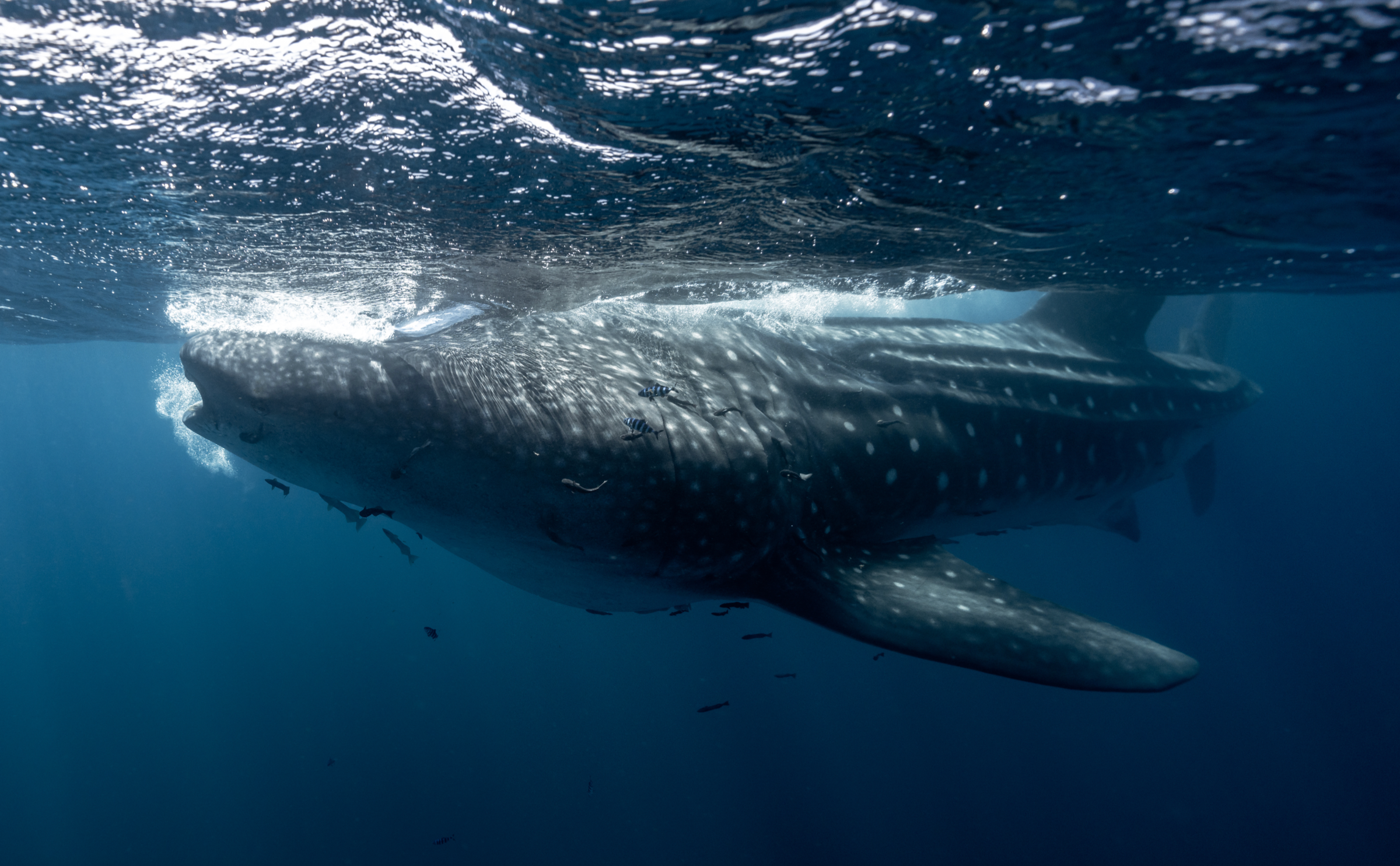
The Laboratory is where we find places.
Ocean wildlife events nobody is running trips to. We build a case for one on paper, go and find out whether it's real, and take a handful of people with us while we do it. Exact locations are never published.
How a lab is built
-
On paper
Most of this work happens at a desk
Old Soviet whaling records, digitised badly and read slowly; the catch positions in them describe an ocean nobody has looked at since. Bathymetric charts. Sea surface temperature series. Old survey reports, fisheries logs, and reports from fishing communities.
-
On the water
Then we go and ask
We take the case to the people who fish there and find out whether any of it is true. Usually they know. Usually nobody has asked them. Sometimes that's all it amounts to, a good theory and a bad week. Sometimes it's an aggregation nobody has properly documented.
-
The real test
Can this place carry visitors at all?
At what scale, in whose boats, on whose terms. This is the question that matters more than whether the animals are there, and it's the one that decides whether anyone ever goes back.
Keeping the weird and wild weird and wild.
Ecotourism cuts both ways. Small and slow, it puts fair income into oceanside communities and gives conservation a reason to exist. Scaled and sold hard, it does the opposite; the money leaves, the community changes, and the animals drop to third place behind profit and guest satisfaction. Sometimes the shot becomes more important than the subject. Sometimes the subject becomes the guest, and not the animal they came all this way to see.
Watching that happen is the worst part of this job. Places we fell in love with, taken apart. Social harmony traded for one good season. Animals boxed in by a dozen boats.
Some of the best ocean left is behind a border nobody wants to cross — coastlines that haven't had a survey boat since the eighties, because for thirty years the answer to "can we go there" has been no. That's precisely why they're still intact. Nobody has been selling them.
So we don't publish where we go. Not to be precious about it. Publishing is what starts the cycle, and a place gets exactly one chance to be introduced to the world properly.
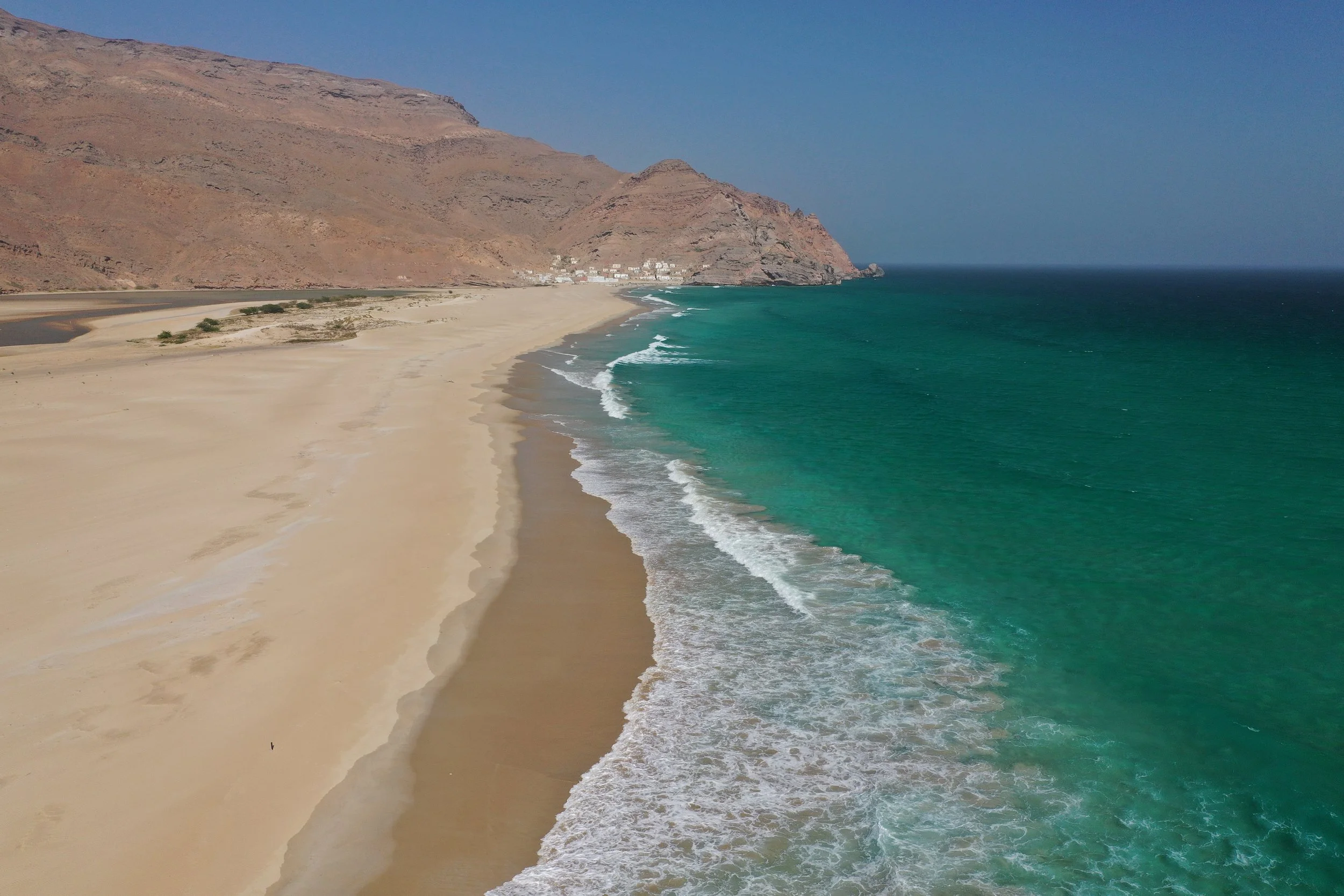
Exact recce locations are never published. That only holds if everyone aboard has agreed to the same terms before they see a single one, so we ask for that agreement at the front door, not at checkout. Membership costs nothing and comes with access.
How it works
-
01
You apply
Three questions so we can get a feel for you and the way you see the planet. Ten minutes.
-
02
You sign the agreement
Confidentiality, acknowledgement of risk, and conduct in the water and around the communities we work with. It's published in full, so you can read it before you apply — the links are in the bottom nav, or just below this section.
-
03
You're on the register
You can join our dedicated WhatsApp group, and you see the recces in more detail. When a window opens, members hear first — and there are rarely more than four seats.
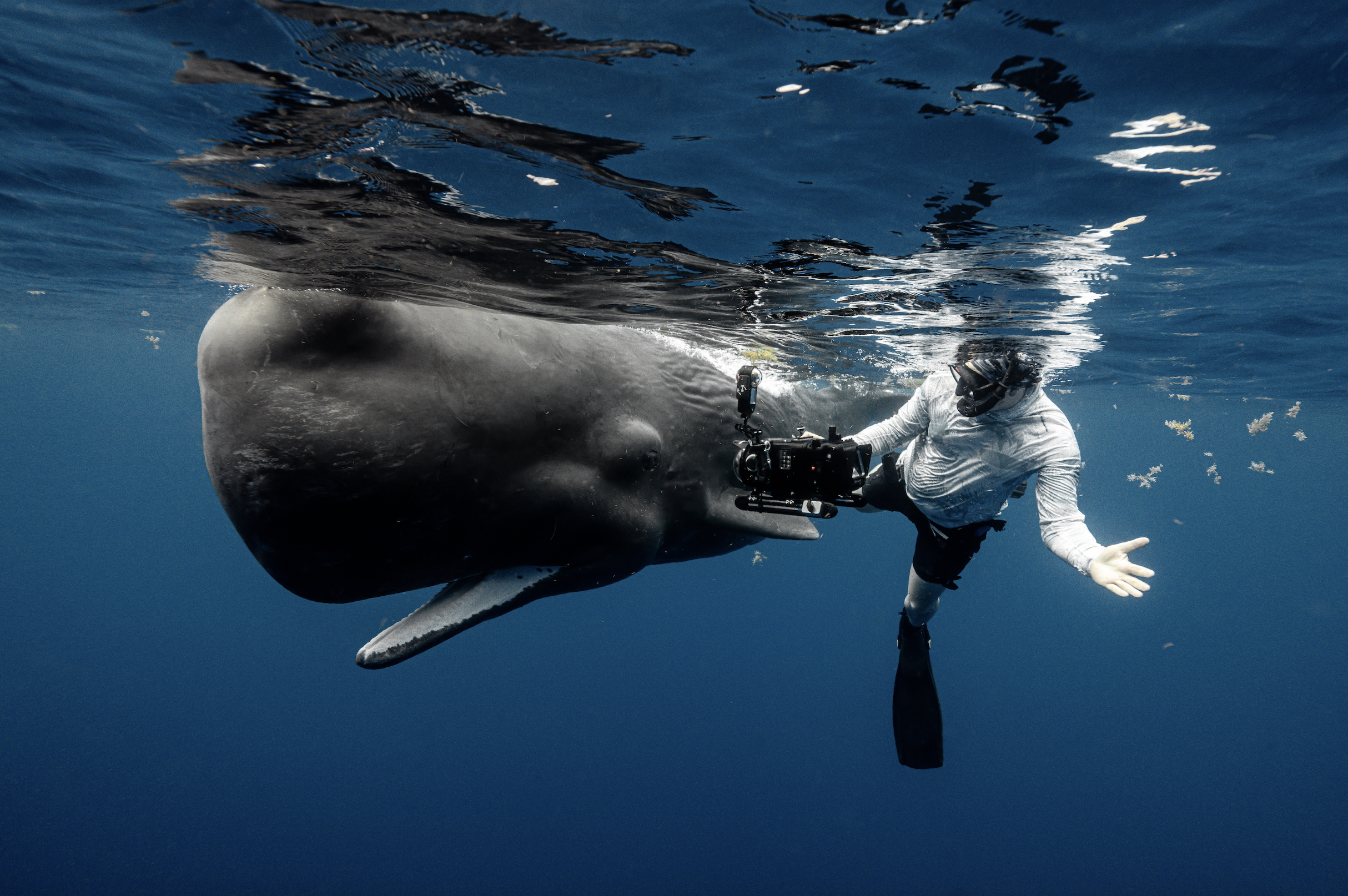
Short for reconnaissance. A first look at unfamiliar ground, made to find out what is actually there before committing to anything.
What it means here
We build a case for a place on paper, then go and find out whether it's true. A recce is that trip. Just a few spots, run at cost, and no promise that the animals will be there or that we'll be successful; but it will be a real adventure.
All recces are heavily researched beforehand, and we send a scout to do some basic surveying. Every recce is graded on how likely we think an encounter is, before you ask.
Pygmy blue whales
Timor-Leste · Withheld
Remote area in rural Timor-Leste. Regular migratory spottings. We go in 2027 to find out whether the sightings hold up.
| Window | Nov 2027 · repeat 2028 |
| Seats | 5 |
| Cost | At cost |
Email updates as the case develops
Arabian Sea humpbacks
Arabian Peninsula · Withheld
The only humpback population that doesn't migrate. A few hundred animals left, and our case rests on fishing reports.
| Window | Dec 2028 |
| Seats | 4 |
| Cost | At cost |
Email updates as the case develops
Sperm whales
Caribbean · Withheld
Bringing our best hydrophone techs and sperm whale experts to a new island to find whales.
| Window | Mar 2028 |
| Seats | 5 |
| Cost | At cost |
Email updates as the case develops
Basking shark aggregations
Europe · Withheld
Surface-feeding animals in real numbers. The aggregation is real, permits challenging.
| Window | Apr 2029 · permits pending |
| Seats | 4 |
| Cost | At cost |
Email updates as the case develops
Whale shark aggregation
Colombia · Withheld
A feeding aggregation of whale sharks in the remote Pacific rainforests of South America.
| Window | May 2028 |
| Seats | 5 |
| Cost | At cost |
Email updates as the case develops
Bowhead calving bay
North Asia · Withheld
The longest-lived mammal on the planet, in a bay it uses to calve. The animals are reliably there.
| Window | Aug 2028 |
| Seats | 10 |
| Cost | At cost |
Email updates as the case develops